Historical documents from the eighteenth and nineteenth centuries offer a captivating window into the highly structured world of early gaming clubs. Rather than being places of casual amusement, these private spaces operated on rigid behavioral frameworks and mutual social accountability. Examining these archived records helps modern researchers understand how contemporary entertainment principles originally developed from exclusive European traditions.
The Spatial Layout of Early Gambling Salons
Archival floor plans and personal journals reveal that ancient gaming rooms were purposefully designed to maximize eye contact and formal interaction. Seating configurations were never random, as table placement directly dictated the strategic access to operational information during a live round. This deliberate architecture created a quiet environment where focused observation took precedence over rapid game progression.
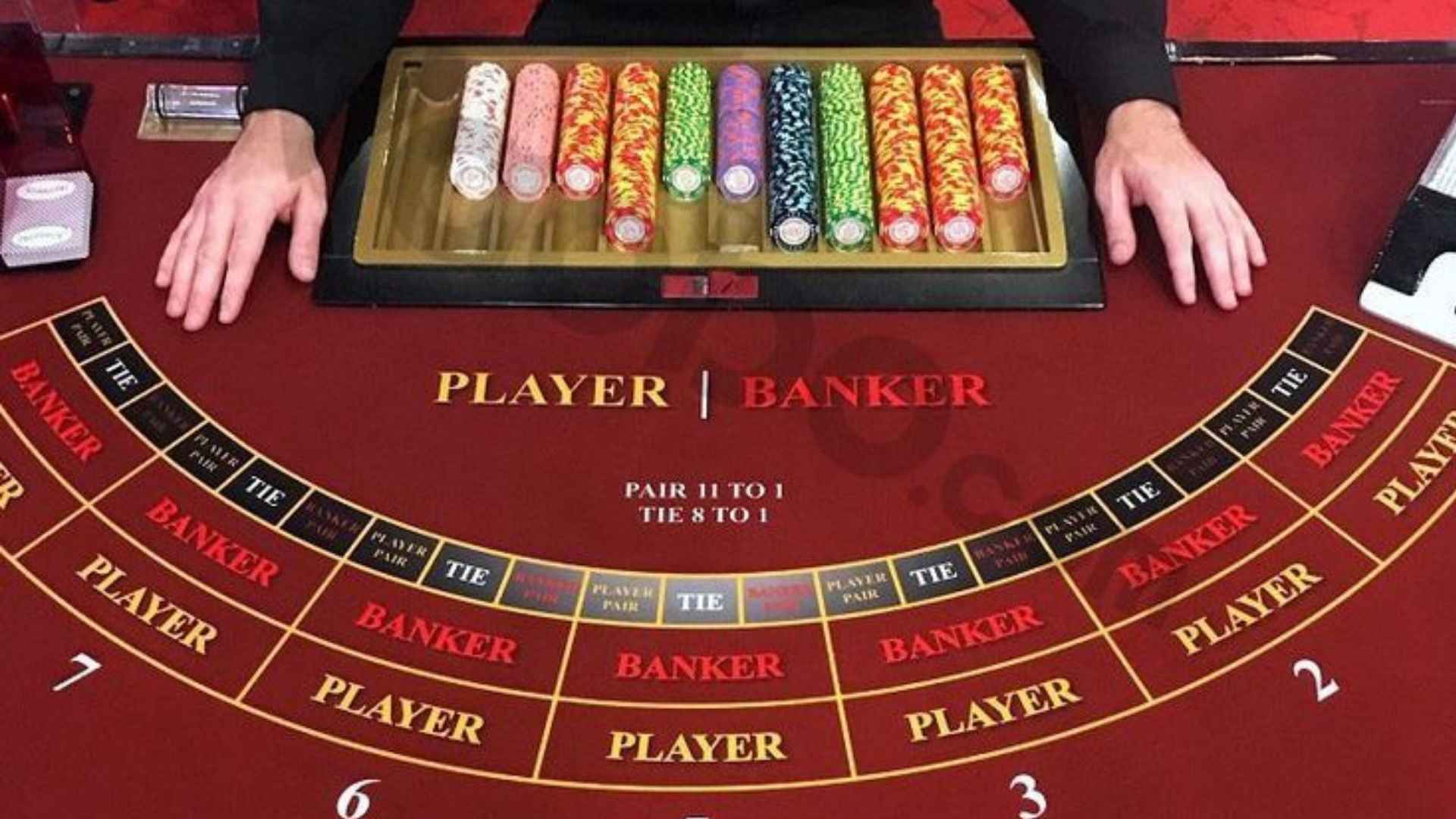
Furthermore, early records show that physical separation between participants and onlookers maintained table decorum. Specialized dealers or croupiers acted as vital regulators, enforcing unwritten behavioral codes to ensure security and fairness. This historical layout reflects a preference for slow-paced, shared strategic encounters rather than automated transactional speed.
Shared Financial Accountability and Shifting Positions
Many traditional card room diaries emphasize that early gaming systems relied heavily on the active participation of everyone present. Corporate houses did not manage the table funds, meaning that players frequently rotated the responsibilities of holding the bank. This shared financial exposure drastically altered the psychological dynamics of the room, as individual stakeholders absorbed the immediate table risks.
As these community-driven systems traveled across different legal and social eras, regional rules were continually refined. Enthusiasts who wish to study how these historical custom setups transformed into streamlined digital platforms can visit m88.com to view modern variations. Today's network solutions retain the essential card-comparing structures while using computerized math to handle the underlying banking systems.
The Record of Etiquette and Regulatory Codes
Nineteenth-century legal diaries and gaming manuals reveal that early card rooms functioned as strict spaces for high-society networking. Participants who failed to adhere to the quiet protocols or respectful table habits faced immediate social exclusion from the venue. This rigid social metric ensured that mutual trust protected the financial transactions taking place around the table.
Interestingly, historic sources show that manual card handling was treated as an essential performance that built structural transparency. Shuffling and dealing rituals were conducted under close environmental scrutiny to eliminate any suspicion of unfair advantages. This legacy of manual oversight reminds modern analysts that card games were fundamentally built on human accountability and visible social rituals.
Preserving Classical Governance for Modern Contexts
Uncovering the details of early card room practices provides important context regarding the evolution of international leisure industries. The transition from player-regulated banking setups to centralized corporate systems highlights a long-term cultural shift toward efficiency and accessibility. However, the core mathematical tension of aiming for specific point totals remains identical across different centuries.
Ultimately, analyzing historical records proves that table entertainment has always balanced strict structural boundaries with personal decision-making. These early custom codes created a distinct social ritual that transformed simple math comparisons into lasting competitive traditions. By looking back at these historical roots, modern researchers gain a complete perspective on the complex development of global gaming culture.