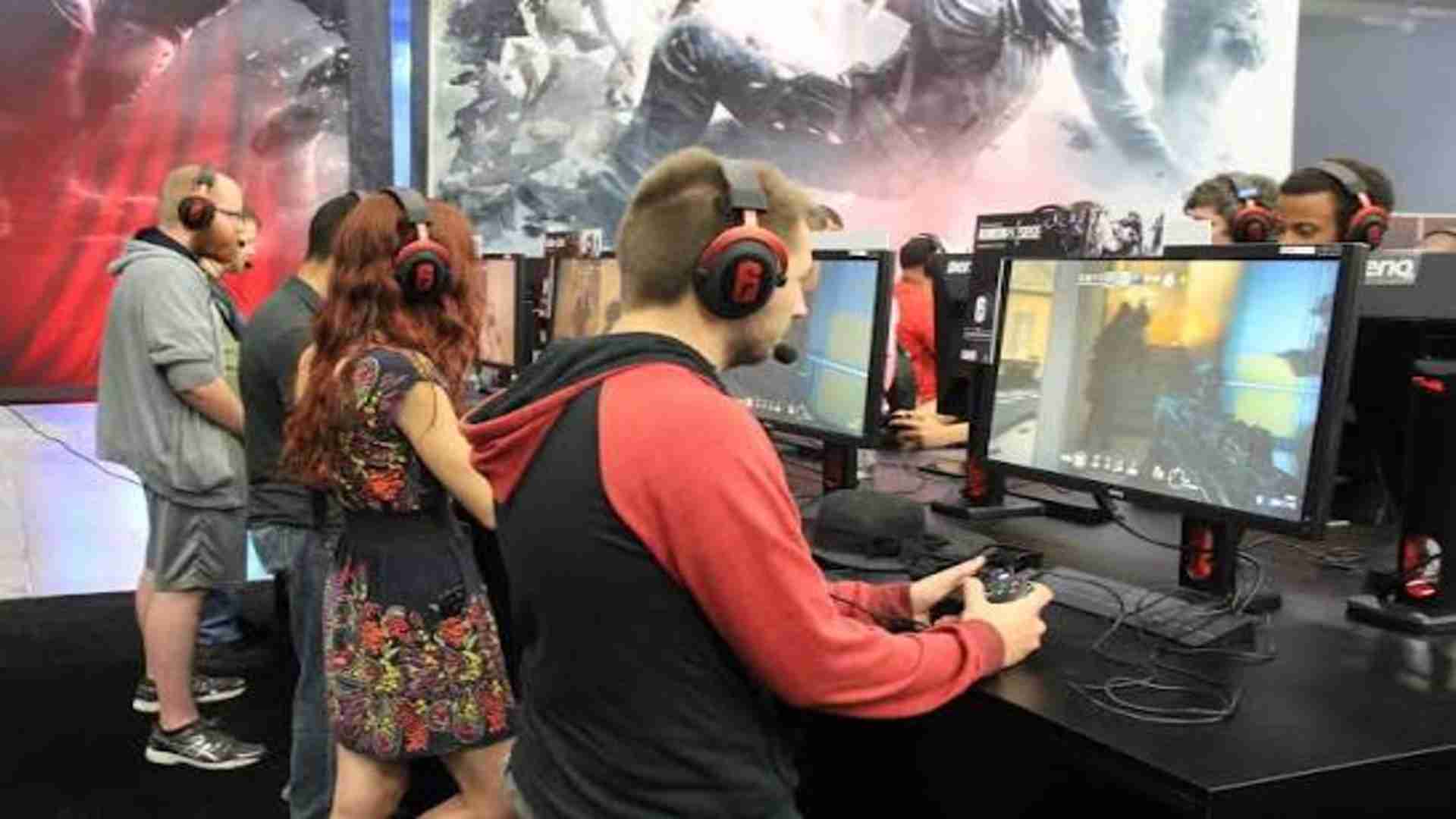
Entering the high-stakes competitive landscape of Honor of Kings often pushes players to their absolute physical and mental limits. True victory in these intense multiplayer matchups demands far more than just quick finger movements or memorizing a standard character build. To consistently triumph against experienced opponents, competitors must learn to deploy their mechanical execution, macro awareness, and mental adaptability simultaneously.
The Synergy of Micro and Macro Play
Succeeding in high-tier brackets requires a flawless balance between immediate mechanical precision and long-term strategic foresight. While executing rapid skill combinations can win isolated duels in a lane, securing major map advantages depends entirely on coordinated rotations and objective control. Elite competitors understand that their mechanical talent must always serve the broader needs of the entire squad during chaotic encounters.
Farming efficiently during the opening minutes provides the essential resource advantage needed to survive challenging late-game skirmishes. However, maintaining this financial lead requires continuous lane management, precise jungle pathing, and active map tracking to counter sudden enemy movements. Balancing individual wealth accumulation with sudden, reactive team interventions is a core skill that separates casual players from tactical experts.
Cultivating Complete Map Domination
Keeping a constant eye on the minimap is essential for predicting enemy ambushes before they disrupt your team coordination. Tracking missing opponents allows your squad to move fluidly across the battlefield and capture vulnerable neutral monsters safely. Utilizing clear, immediate pings transforms individual observations into collective team intelligence, ensuring that no one is caught out of position.
Prioritizing powerful neutral bosses like the Dark Slayer or the Dragon provides massive enhancements that can completely shift match momentum. Teams that organize their positioning around these spawn areas well in advance usually control the tempo of the entire engagement. Forcing the opposition to fight on your terms near these critical zones is one of the most effective ways to test their coordination limits.
Adaptability Under Competitive Pressure
Understanding the deep itemization framework is crucial for mitigating the specific defensive or offensive threats posed by an aggressive draft. While standard recommended paths offer a baseline, top-tier competitors constantly adjust their builds to counter fed opponents or neutralize high-damage abilities. Developing this flexibility ensures your chosen hero remains impactful even when facing severe tactical disadvantages.
Reviewing performance after a difficult defeat remains a highly effective method for discovering subtle positioning flaws or timing errors. Analyzing these moments with an objective mindset prevents players from repeating the same tactical mistakes in future matchmaking sessions. Embracing this continuous evolution converts challenging setbacks into valuable strategic lessons that elevate overall gameplay maturity.